


We met plenty of friendly people again in Raivavae, but the anti-cruiser campagne led by the protestant priest here made us somewhat uncomfortable (rumours, nasty facebook comments, fake news) so we decided to leave for Rapa, even though the weather forecast isn’t ideal. Hopefully it’ll turn out okay… 290 nm to go
Our Books
Order our books at Amazon
2021
23
Dec
2021
23
Dec
Happy Holidays!
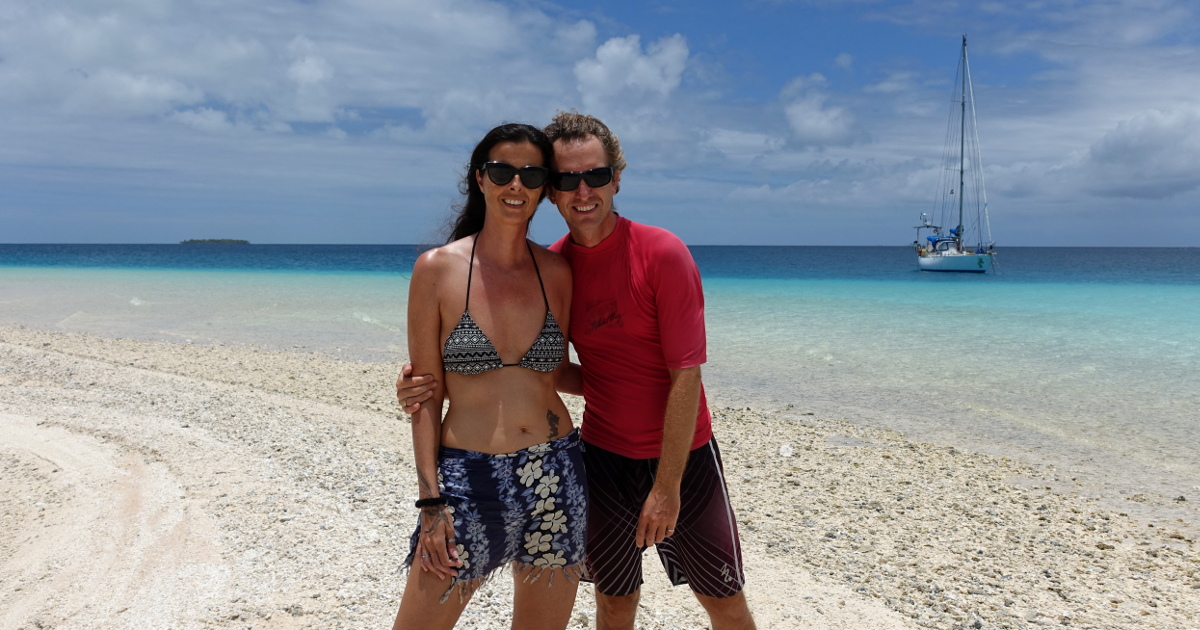
We wish everybody who’s sailing along on our blog a merry Christmas and a happy, healthy, successful year 2022 with opening borders and some normality after these crazy times…
2021
22
Dec
Pitufino–the multi-talent
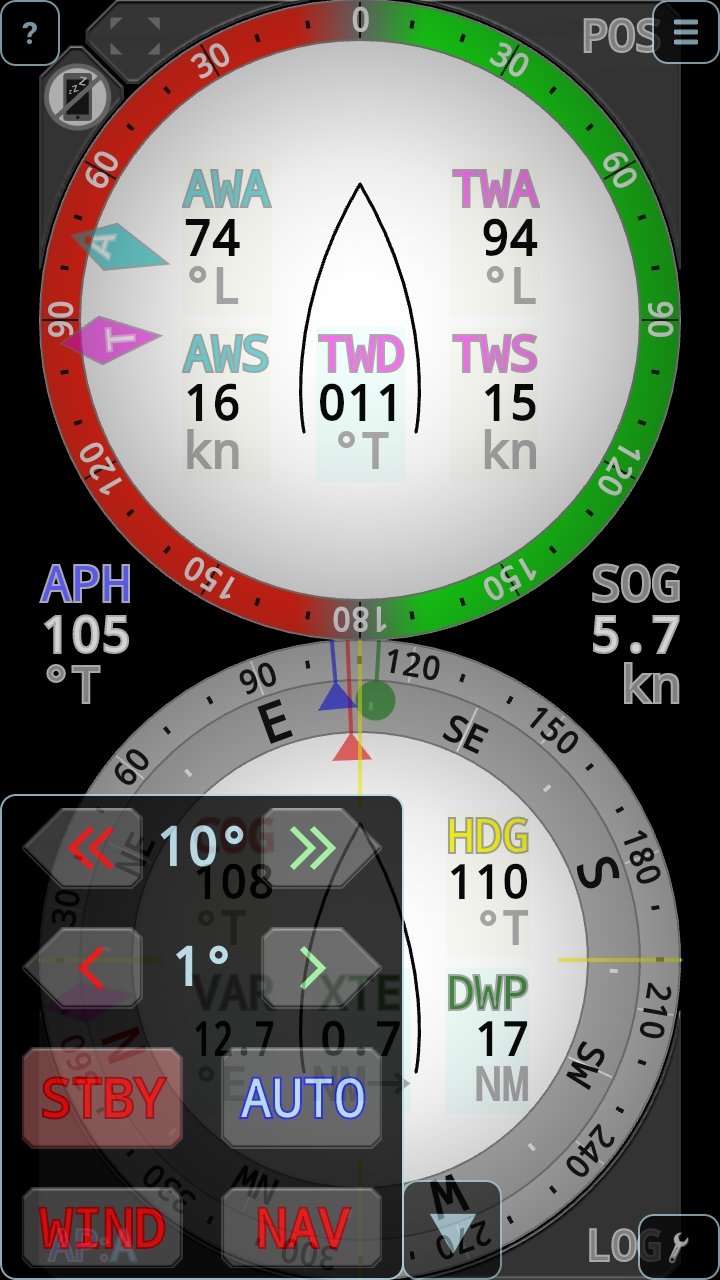
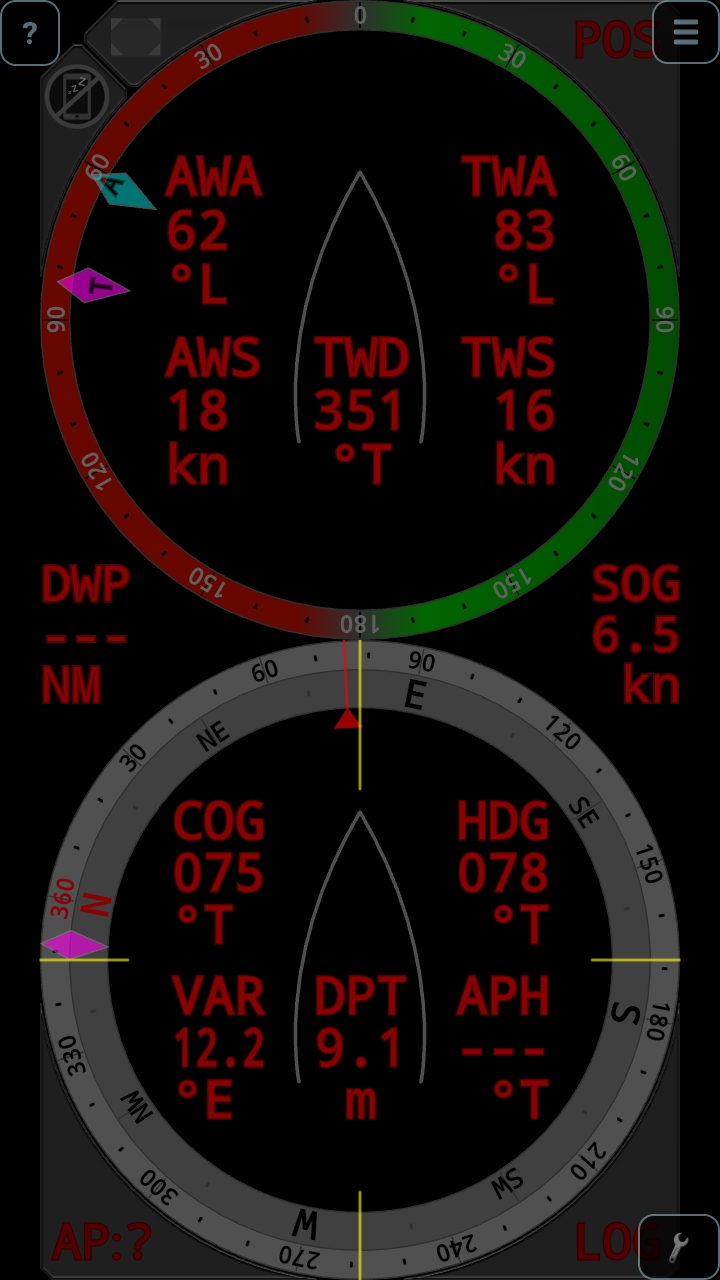
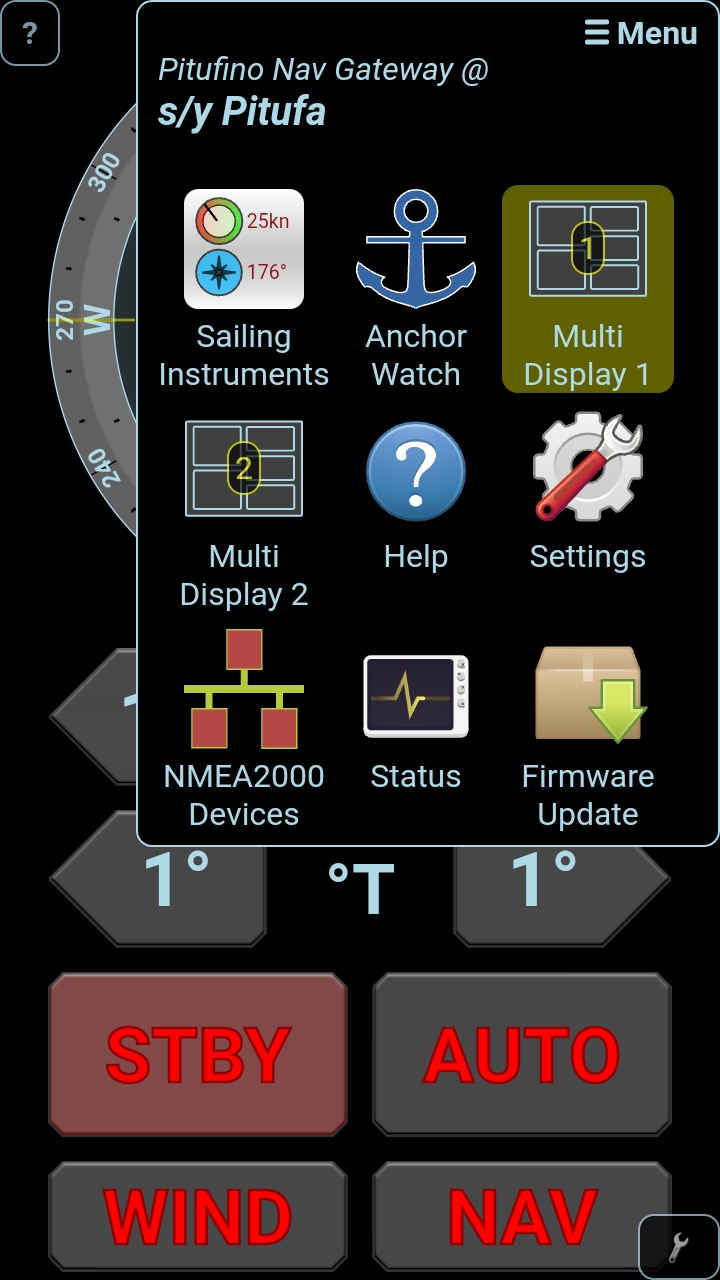
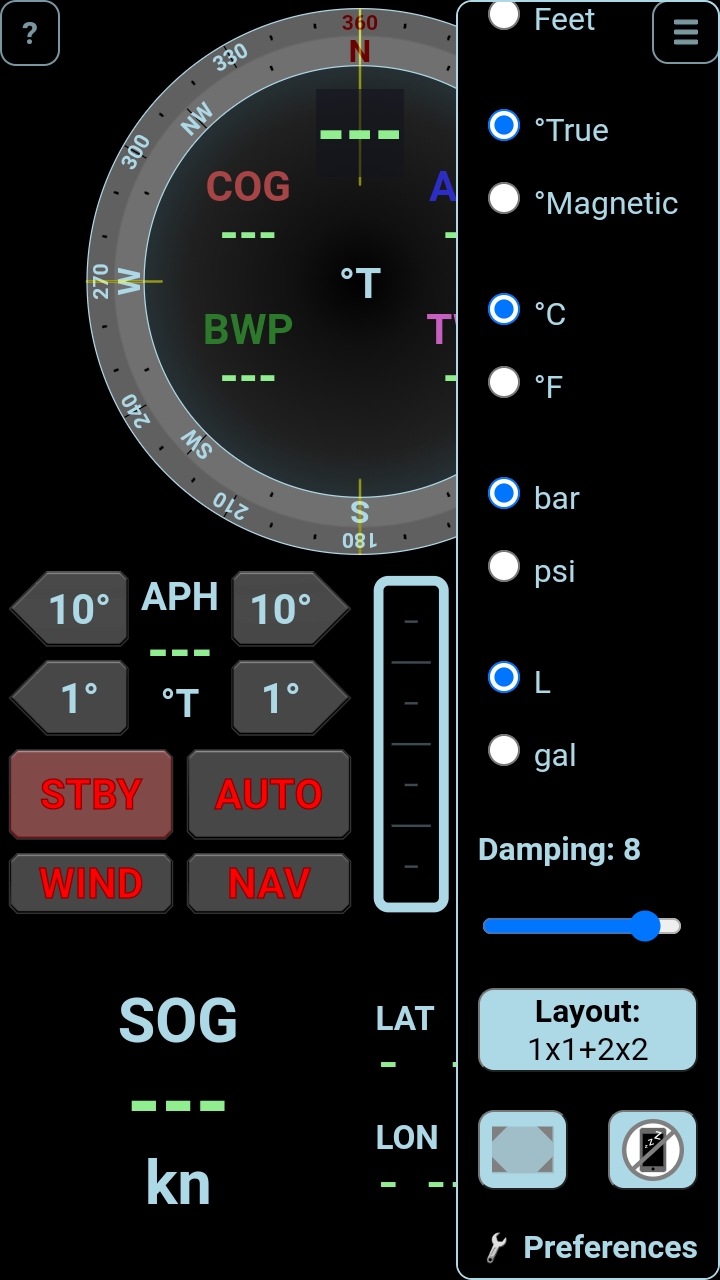
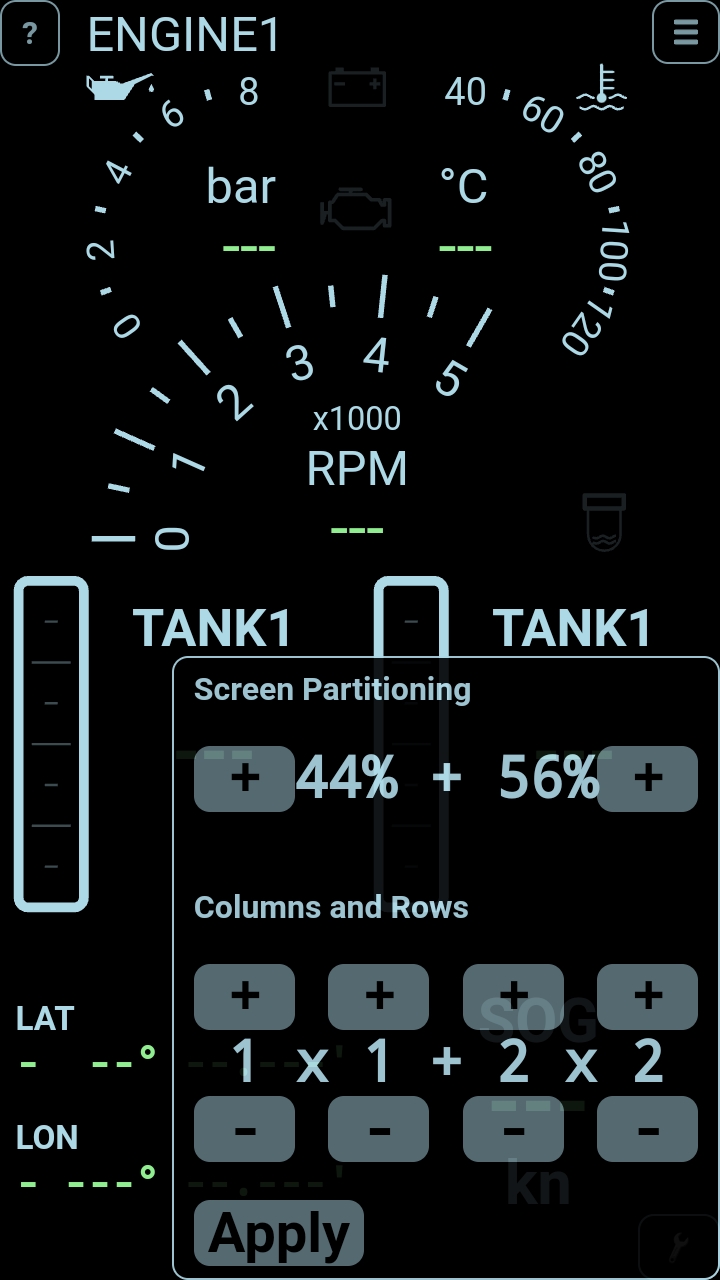
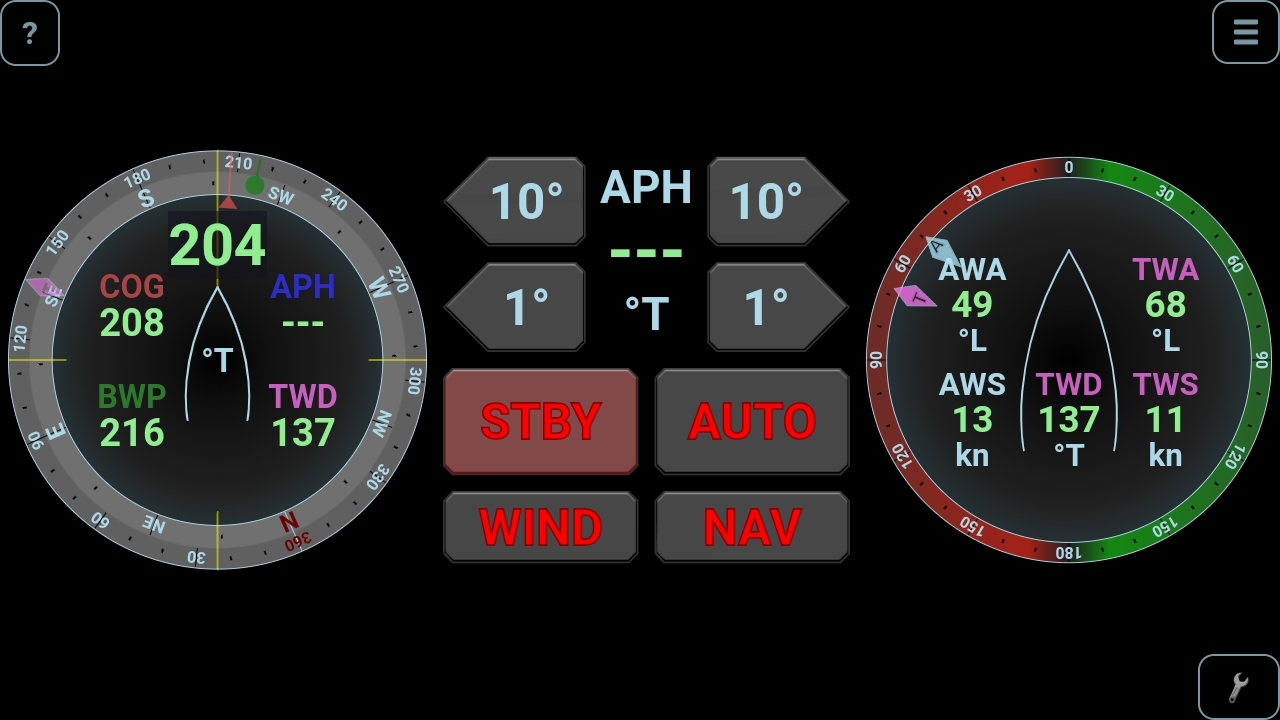
I still haven’t grown tired of developing my Pitufino nav gateway–rather the opposite, I have spent a lot of time in improving it and adding new features. A great portion of the work on version V1.4.0 dealt with the networking core: new chip manufacturer SDK, time-out issues, UDP unicast streams, UDP unicast probes as alternative for broadcast, ICMP to close such UDP streams, TCP server for direct NMEA2000 data, and a new, much faster web server. The Sailing Instruments web app has got night colors and the Multi Display web app has got several new display types. Here are a few screen shots from those running on my Samsung Android phone. For more info see the Pitufino page.
2021
22
Dec
Our Nengonengo adventure in Latitudes&Attitudes
Our article was published in Bob Bitchin’s (gotta love that name) magazine!
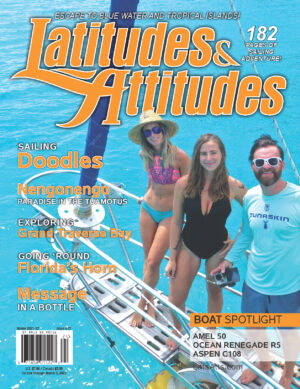 Christian Feldbauer, Birgit Hackl: Nengonengo–Wilderness Reclaimed, Latitudes & Attitudes, Issue 37 Winter 2021-22, p. 136–143. Read online.
2021
22
Dec
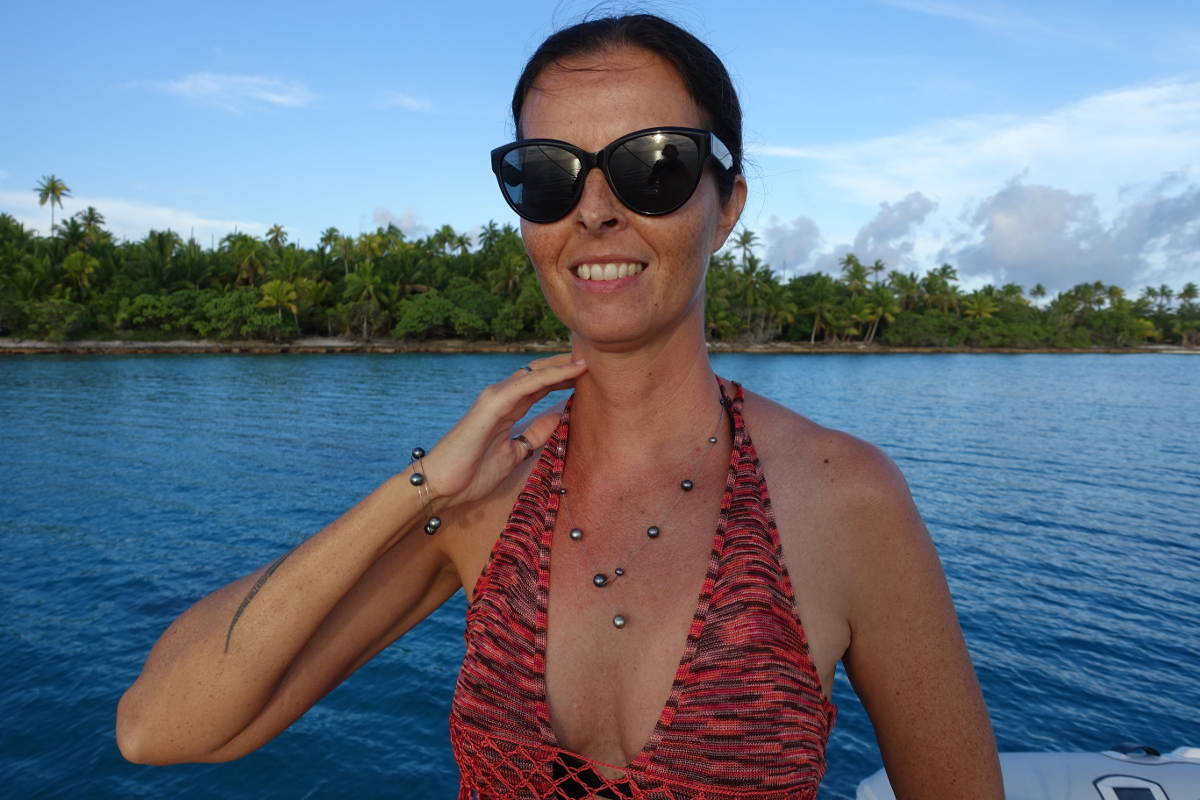
“Black pearls” come in all shades of the rainbow…
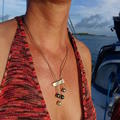
I’ve had a creative phase again, got the dremel out and played with pretty things. I’m not a jewellery person, but the shiny balls that grow here keep inspiring me…
2021
19
Dec
Arrived in Raivavae
After a slow start we had 2 fast sailing days in a stiff southeasterly breeze. We had done enough easting beforehand to have a comfy angle all the way to Raivavae. We could feel the temperature drop with each degree of latitude south. It’s southern summer down here, but the night air is still cool enough to remind us that Christmas is coming 
2021
16
Dec
Slow sailing
We’ve only made 70 nautical miles over the last 24 hours, but we’re not complaining, just baked some bread, worked on the laptops, dipped in from the ladder–almost like at anchor. Just now the breeze is picking up, 340 nm to go!
2021
15
Dec
Dipping into the ocean
We’ve had beautiful fair-weather sailing, mostly doing around 4 knots, but with a few hours of 3 knots in between. Not fast, but comfy and we used the calm phases to dip into the ocean–firmly holding on to the swimming ladder. The feeling of several kilometres under your feet and the incredible dark-azure colour all around are quite impressive (on top of being very refreshing on a hot day )
400 nm to go
2021
14
Dec
Flat seas in the shade of Katiu
We have left Katiu at noon with the onset of a light breeze after a calm phase (which we used to explore the remote motus on the S side–some birds, but as many as we had hoped for). Now we are sailing down the SW side of the atoll, close enough to the reef to the see the red rocks in the water and to take a good look at the motus from the outside. With the wind from E it’s flat calm here and Pitufa is gliding along like on rails 
I’m using the calm seas in the shade of the island to cut veg for dinner (pumpkin risotto). If it wasn’t for the heeling angle you could think we’re at anchor
500 nm to go to Raivavae (as the red-footed booby flies, we try to make some easting first, to be prepared for SE winds later on)!
2021
09
Dec
Article on Atoll Navigation in MEER & YACHTEN
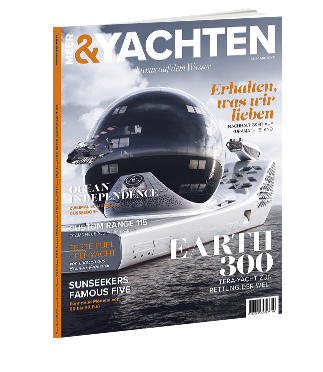 Christian Feldbauer, Birgit Hackl: Navigation zwischen Korallen, Meer & Yachten, No. 4/21, December 2021, p. 68–75.
2021
09
Dec
Adventures and challenges
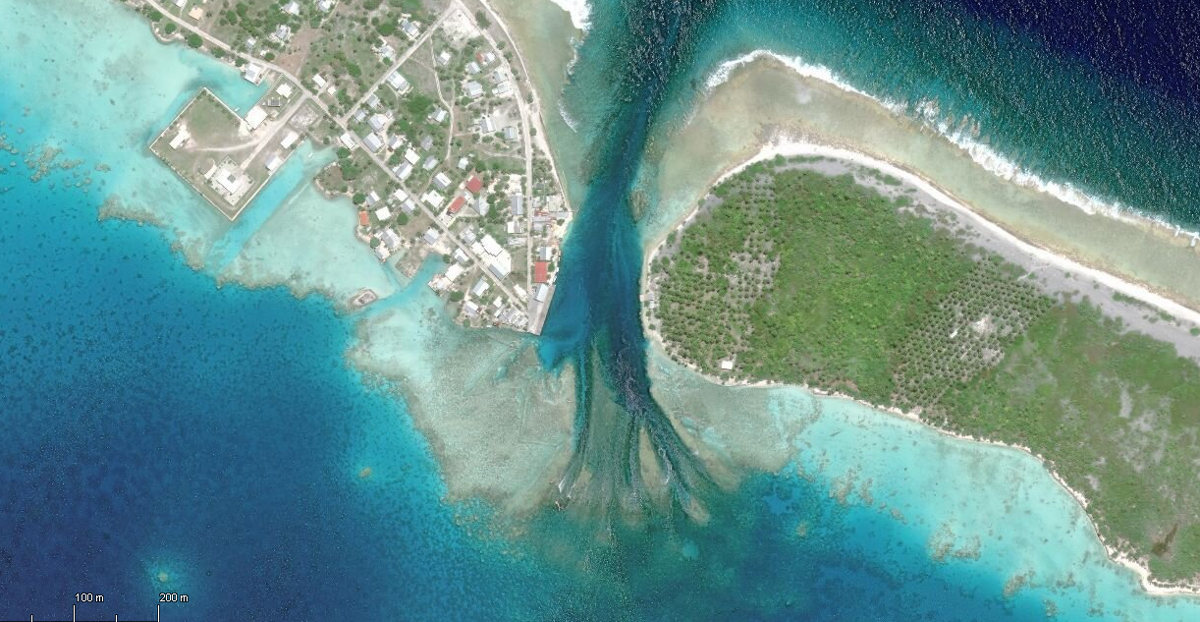
e did a daysail from Tahanea to the neighbouring island of Katiu–a place we hadn’t dared visiting before, because of it’s scary pass. We took the depthsounder with us in the dinghy to scout ahead, then we were still not certain whether we could take Pitufa in and snorkeled to take a close look at what might be lurking in the narrow channel. We memorized the deeper channel (it was blasted through coral in the 80s) and only then we attempted entering. At slack high tide we cautiously made it into the lagoon
Here’s a sat image of the pass:
2021
06
Dec
Brown Boobies
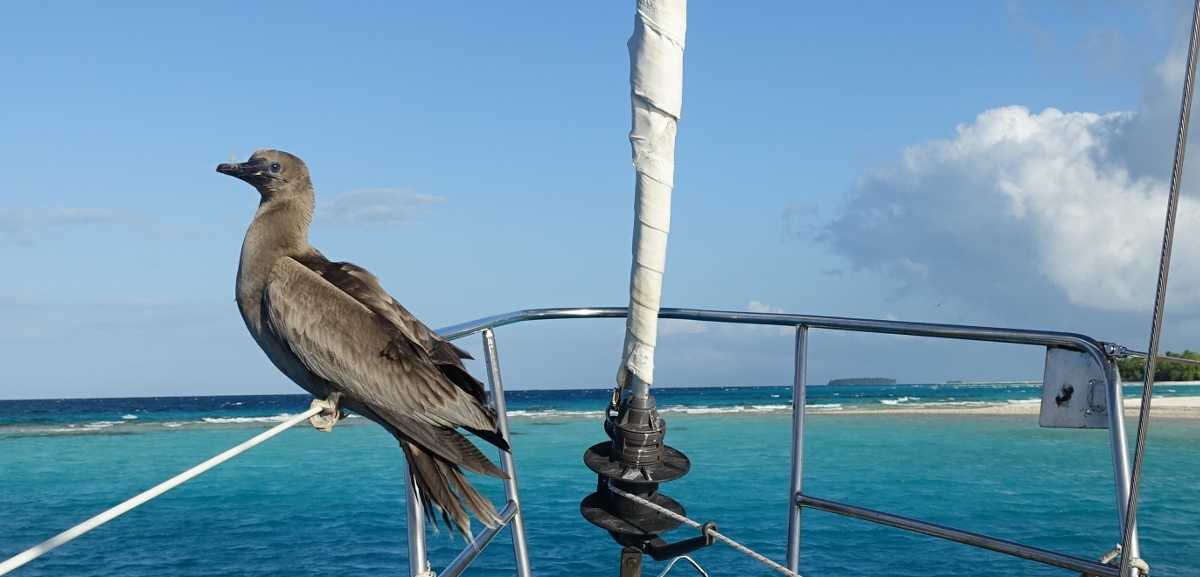
Last week we had lots of fabulous encounters with boisterous, curious, cute “teenager” birds–cute brown boobies. On most inhabited atolls of the Tuamotus there are no more ground nesting birds and even here on uninhabited Tahanea too many visiting copra workers (but also thoughtless cruisers) have shied away nesting couples from many of the motu on the remote side of the atoll. This year we have taken Pitufa to the Western side of the atoll, which is bommie-strewn and difficult to navigate. There we have adventurously anchored off little islets in the lagoon or sometimes just big coral heads with a few shrubs growing on them. Brown boobies have found a refuge there and as soon as we anchored Pitufa, we had a crowd of young brown boobies circling the boat–still practising how to fly and land, but eager for entertainment. They have never met people in their young lives, so they are quite tame and unafraid. They fearlessly landed on the railing, clumsily holding on to the lifeline while curiously watching our every move. One of them crash-landed on the aft-deck–fortunately he wasn’t hurt. We sat quietly in the cockpit while he wandered around, tried everything with his beak (lines, shoes, etc.) and finally did a plunge-dive from the swimming ladder. And no, he did not poop all over the deck–but then we also didn’t shout and wave to scare him away (like many boaters would have done). Of course we also didn’t go ashore and left the nesting parents in peace.
The term ‘brown booby’ is misleading: only the young birds are dark-brown (and to be honest quite ugly). The adults are black, with a gleaming white chest. The name ‘booby’ apparently is derived from Spanish ‘bobo’ (stupid) and in all other languages we know they also have some derogative name, because they tend to land on boats and are therefore easy to catch. Sailors also effortlessly killed masses of them as provisioning on lonely islands. Young brown boobies have a tendency to relentlessly plunge-dive for trolled lures (we get the fishing lines in as soon as we have boobies circling the boat), so again cruisers call them stupid for that behaviour. Since when is curiosity a sign of stupidity? I rather think it’s a strong indication that they are quite smart. Looking into their startling bright grey-blue eyes you see a sparkling intelligence gazing back.
2021
20
Nov
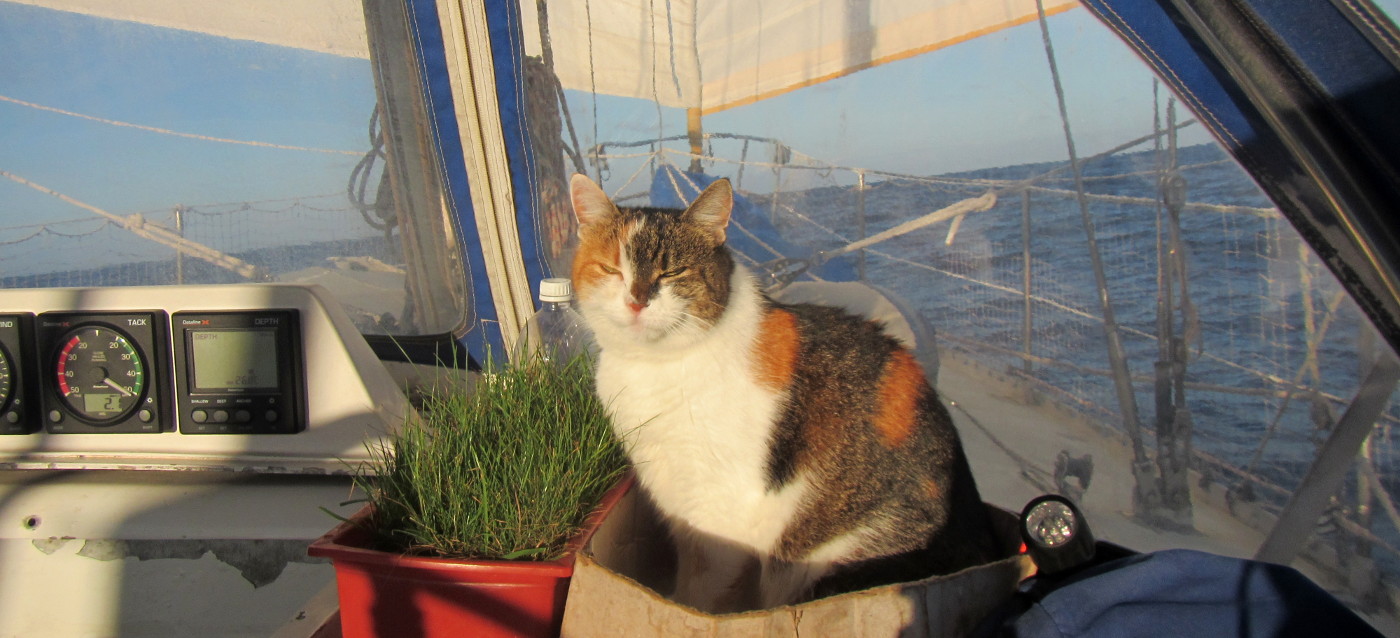
Cruising World article about ship’s cats
We sent this article in for Leeloo’s 20th birthday, but it took a while to get published
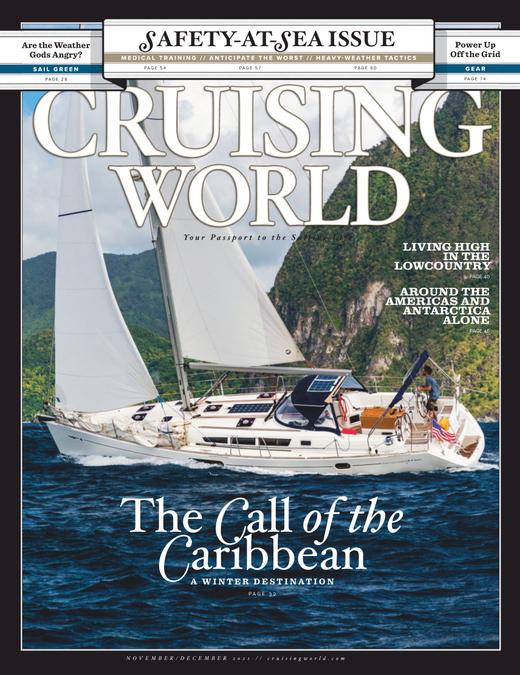 Birgit Hackl: Cruisin’ with a Cat, Cruising World, November/December 2021.
2021
18
Nov
Cooking ahead of Decay
We don’t want to fish and forage in the Tuamotus, so we buy lots and lots of provisioning before heading out. Making dinner plans we don’t ask “What do we fancy?”, but rather “What has to go next?” That doesn’t mean that we’re not cooking gourmet meals though. A few days ago one of the zucchini was getting squishy (resulting in zucchini risotto), then an aubergine showed signs of weakness (so we had a delicious moussaka), some of the potatoes from Tahiti started sprouting roots and the bok choy from Fakarava needed to go (spicy potatoes and bok choy vindaloo curry with flat bread) the stupid cabbage we bought off the ship in Fakarava started rotting from the stem (cabbage, apple and blue cheese pie yesterday) and the stack of bananas we bought in Fakarava also needs constant attention resulting in banana smoothies (with home-made kefir yoghurt), banana pudding with amaretto, banana crepes and sauteed bananas with crispy almond-flour crumbs. We often get pitying comments when people hear that we stay a long time in remote places, especially as we don’t have a freezer and I don’t cook meat on the boat (all the worrying looks poor Christian gets). I think we’re coping quite okay )
2021
14
Nov
Towards the Horizon
The convergence zone keeps annoying us… One sunny day is followed by a grey, rainy one. Two days ago we sailed south across the lagoon for SE winds (which actually showed up), today we sailed N again close-hauled for predicted NE winds–we’ll see
Due to the success of our travel book in German, I’ve decided to translate it into English. I started on “Towards the Horizon” today (grey weather is writing weather)–2.000 words translated, 90.000 to go